
first time hearing about Kava & Kratom? here’s everything you need to know
If you’ve walked into a kava bar and wondered, “Okay… what exactly is kava? And what’s kratom?” — you’re not alone.
Both come from plants that have been used for centuries in traditional cultures. Today, they’re showing up in modern spaces as alternatives to alcohol, giving people new ways to relax, focus, and socialize. But they’re very different from each other, and it’s important to understand how they’re made, what they do, and where the risks are.
Let’s break it down.
What Is Kava?
Where Kava Comes From
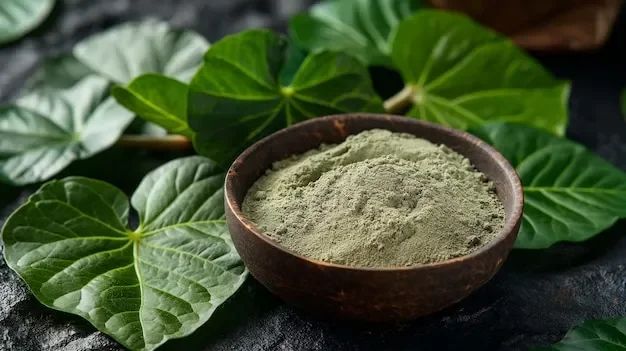
Kava (Piper methysticum) is a plant in the pepper family, native to the Pacific Islands. The word “kava” comes from Tongan and Marquesan, meaning “bitter.”
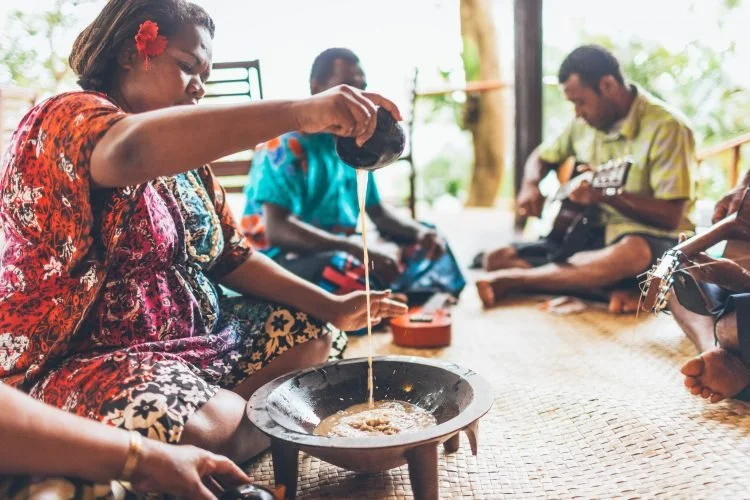
For thousands of years, people in places like Vanuatu, Fiji, Tonga, and Samoa have prepared a drink from the root of the plant and shared it in ceremonies, community gatherings, and everyday social life. Kava circles are about connection, storytelling, and making decisions together—not getting wrecked.
How Traditional Kava Is Made
Traditional kava is very simple:
Harvest the root (usually from specific “noble” kava cultivars).
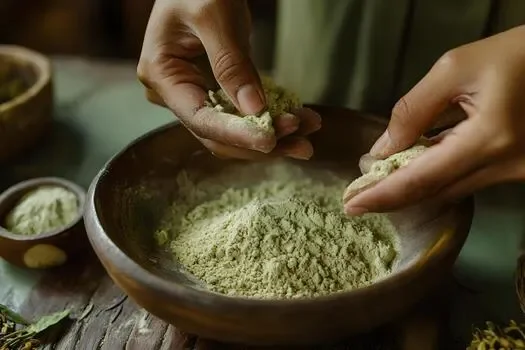
Dry and grind it into a coarse powder, or pound it fresh.
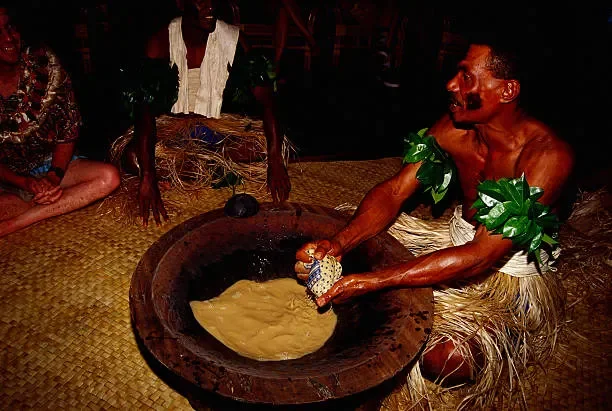
Mix with cool water (or sometimes coconut water).
Strain through a cloth into a communal bowl.
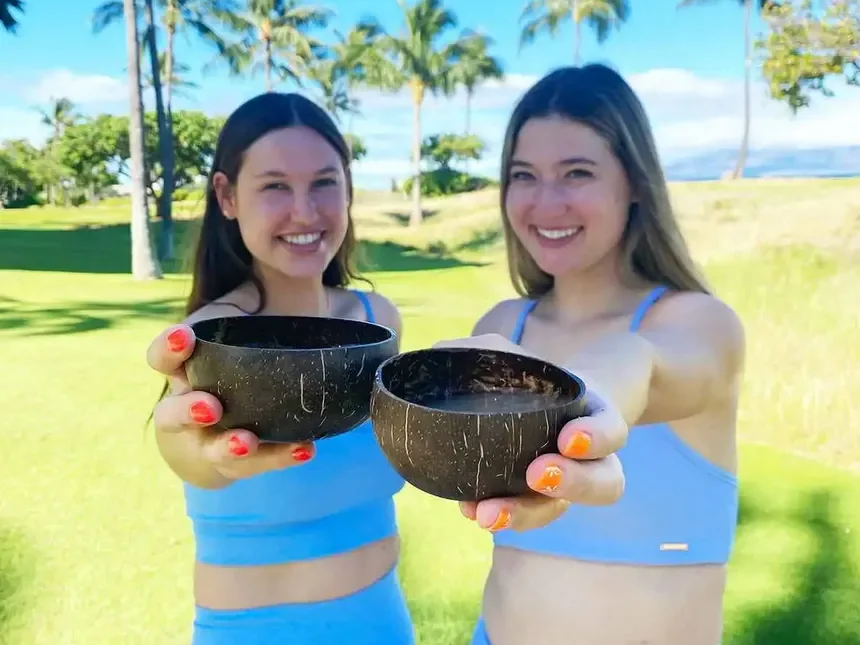
Serve in shells and drink in rounds.
Outside the Pacific, most kava bars use high-quality dried root powder and water extraction—no alcohol, no chemical solvents.
That water-based prep is important: studies suggest that traditional, water-only preparations of noble kava have a different safety profile than some commercial extracts made with organic solvents.
What Kava Feels Like
Most people describe kava as:
A numbing or tingling feeling on the lips and tongue
A sense of physical relaxation
Reduced anxiety or social tension
A calm, “unwound” headspace that still feels clear and present
Pharmacologically, kava’s effects come mainly from compounds called kavalactones, which interact with GABA and other neurotransmitter systems involved in relaxation and mood.
Kava is not an opioid and not a psychedelic. It’s more like a deeply chill, grounding exhale.
Why Kava is a better alternative for alcohol
Kava’s big appeal is that it can support relaxation and social connection without many of the things people hate about alcohol:
No typical hangover when used reasonably
Less risk of slurred speech, blackouts, and impulsive behavior
Many people feel more present and introspective rather than foggy
Fits into sober, “sober-curious,” or wellness-focused lifestyles
Research suggests kava may help with anxiety symptoms in some people, helping them feel more calm and relaxed.
Safety & Cautions With Kava
Kava is not risk-free, especially when misused or taken in extract/supplement form:
It can cause stomach upset, headache, & dizziness with overuse or abuse
There have been rare cases of liver injury linked to kava products, especially certain non-traditional extracts.
U.S. health agencies advise caution, especially for people with liver disease, those taking liver-active medications, pregnant/breastfeeding individuals, or anyone mixing kava with alcohol or other substances. (NCCIH)
Because of this, it’s smart to:
Use kava moderately
Stick to traditional, water-based preparations from reputable sources
Avoid combining it with alcohol, sedatives, or other liver-stressful substances
Talk to a healthcare professional if you have medical conditions or take medications
How Kratom Is Made & Consumed
Today, kratom is usually:
Dried and ground into leaf powder
Brewed as tea
Packed into capsules
Turned into concentrated extracts, shots, or tablets
Those last forms—high-potency extracts and enhanced products—are where most of the modern risk lies, because they can deliver far higher doses of active compounds than traditional use ever did. (EatingWell)
What Kratom Does in the Body
Kratom’s main alkaloid, mitragynine, acts on opioid receptors in the brain. (PMC)
At low doses, people may feel more alert, talkative, and energized (mild stimulant-like effects). (DEA)
At moderate to high doses, effects shift to more pain relief, euphoria, sedation. (PMC)
This dual nature is part of kratom’s appeal.
Kratom comes in 3 types: white, red, and green.
White is consumerd for focus and energy
Red is for happy and excitement
Green is for calm and relaxation
We serve a variety of different flavors to make the perfect cocktail! (without the alcohol of course)
Perceived Benefits (and Why People Use It)
Kratom is commonly used to:
Self-manage chronic pain
Deal with anxiety or low mood
Feel a legal “buzz” or euphoria
Healthy substitute for recovering drug addicts
However, major medical organizations and regulators emphasize that kratom products are not approved treatments and that there can be risks if abused. (Mayo Clinic)
The Real Risk: 7-OH and Why You Should Avoid It
There’s a growing misconception in kratom culture that “7-OH is the good stuff”—as if it’s the ingredient that makes kratom stronger, purer, or more desirable.
That belief is dangerously wrong.
7-hydroxymitragynine (7-OH) is one of the most potent alkaloids in kratom, and unlike mitragynine—the compound found naturally in the leaf at much lower levels—7-OH acts far more directly on opioid receptors. That’s why:
It feels stronger
It comes on faster
It builds tolerance quickly
It carries a high risk of dependence and withdrawal
Traditional kratom leaf contains very small, naturally occurring amounts of 7-OH. Historically, people consumed it by chewing leaves or drinking mild teas—not by taking lab-altered extracts.
Modern manufacturers, however, have changed the game. Many of today’s kratom shots, resins, and branded powders are chemically enhanced to significantly increase the concentration of 7-OH far beyond anything found in nature.
That’s where the danger lies. That’s why it is important to stick to natural sources where mitragynine is the main driver, not 7-OH.
Kava vs. Kratom vs. Alcohol: How They Fit Into Modern Nightlife
In the context of a kava bar or sober-curious social space, here’s a simple way to think about them:
Alcohol
Widely accepted, but linked to hangovers, impaired judgment, addiction, and a long list of health risks.
Kava
Traditionally used for relaxation and community rituals.
Can help people feel calm and connected without classic drunken behavior.
Not risk-free (especially regarding liver health in some contexts), but traditional, water-based use has a long cultural track record. (Wikipedia)
Kratom
Traditionally used for fatigue and pain relief in Southeast Asia.
In modern, high-potency forms, can behave like an unregulated opioid-like drug with real addiction potential and serious side effects. (PMC)
Many people who are exploring alternatives to alcohol are looking for:
Relaxation without losing control
Clearer headspace
No hangover
Spaces where community and conversation matter more than getting wasted
In that sense, kava fits naturally into a “better nightlife” movement—especially when it’s prepared traditionally, served responsibly, and framed honestly.
Kratom, on the other hand, has a variety of different functions. Whether you’re looking to unwind and relax, reach a more happy calm state, or put in some headphones and lock in on work, kratom would be your go to.
Final Thoughts
Kava and kratom are more than just plants—they’re part of a growing movement toward intentional relaxation, natural alternatives, and social spaces where you don’t have to sacrifice tomorrow to enjoy tonight.
Here’s the thing: you can read about kava all day, but you won’t truly get it until you’re holding a shell, taking that first sip, and feeling your shoulders drop as the noise of life finally switches off.
At our bar, we keep things simple:
Kava for calm, connection, and clarity
No hangovers, no pressure, no chaos
Real conversations in a space designed for humans, not headaches
Botanical options for different moods and preferences
Whether you're exploring sober nightlife, curious about kava, or just tired of the same old bar scene, we offer a place where you can relax, think clearly, and still have a great time.
You don’t have to change who you are to enjoy yourself here—you just show up, sip, chill, and let the vibe do the rest.
Come visit us, grab a shell, and experience what a night out feels like when your mind, your mood, and your morning are on your side.
We’ll save you a seat.
What’s my next step?
Come visit us! we’re open every day 7:30am-2:30am. Check out the vibe below:
What Is Kratom?
Kratom is a very different story.
Where Kratom Comes From
Kratom comes from the leaves of Mitragyna speciosa, an evergreen tree in the coffee family native to Southeast Asia (Thailand, Indonesia, Malaysia, etc.)
Traditionally, laborers and farmers would chew the fresh leaves or brew them into tea to help with fatigue, pain, and mood while working long hours.
first time hearing about Kava & Kratom? here’s everything you need to know
If you’ve walked into a kava bar and wondered, “Okay… what exactly is kava? And what’s kratom?” — you’re not alone.
Both come from plants that have been used for centuries in traditional cultures. Today, they’re showing up in modern spaces as alternatives to alcohol, giving people new ways to relax, focus, and socialize. But they’re very different from each other, and it’s important to understand how they’re made, what they do, and where the risks are.
Let’s break it down.
What Is Kava?
Where Kava Comes From
Kava (Piper methysticum) is a plant in the pepper family, native to the Pacific Islands. The word “kava” comes from Tongan and Marquesan, meaning “bitter.”
For thousands of years, people in places like Vanuatu, Fiji, Tonga, and Samoa have prepared a drink from the root of the plant and shared it in ceremonies, community gatherings, and everyday social life. Kava circles are about connection, storytelling, and making decisions together—not getting wrecked.
How Traditional Kava Is Made
Traditional kava is very simple:
Harvest the root (usually from specific “noble” kava cultivars).
Dry and grind it into a coarse powder, or pound it fresh.
Mix with cool water (or sometimes coconut water).
Strain through a cloth into a communal bowl.
Serve in shells and drink in rounds.
Outside the Pacific, most kava bars use high-quality dried root powder and water extraction—no alcohol, no chemical solvents.
That water-based prep is important: studies suggest that traditional, water-only preparations of noble kava have a different safety profile than some commercial extracts made with organic solvents.
What Kava Feels Like
Most people describe kava as:
A numbing or tingling feeling on the lips and tongue
A sense of physical relaxation
Reduced anxiety or social tension
A calm, “unwound” headspace that still feels clear and present
Pharmacologically, kava’s effects come mainly from compounds called kavalactones, which interact with GABA and other neurotransmitter systems involved in relaxation and mood.
Kava is not an opioid and not a psychedelic. It’s more like a deeply chill, grounding exhale.
Why Kava is a better alternative for alcohol
Kava’s big appeal is that it can support relaxation and social connection without many of the things people hate about alcohol:
No typical hangover when used reasonably
Less risk of slurred speech, blackouts, and impulsive behavior
Many people feel more present and introspective rather than foggy
Fits into sober, “sober-curious,” or wellness-focused lifestyles
Research suggests kava may help with anxiety symptoms in some people, helping them feel more calm and relaxed.
Safety & Cautions With Kava
Kava is not risk-free, especially when misused or taken in extract/supplement form:
It can cause stomach upset, headache, & dizziness with overuse or abuse
There have been rare cases of liver injury linked to kava products, especially certain non-traditional extracts.
U.S. health agencies advise caution, especially for people with liver disease, those taking liver-active medications, pregnant/breastfeeding individuals, or anyone mixing kava with alcohol or other substances. (NCCIH)
Because of this, it’s smart to:
Use kava moderately
Stick to traditional, water-based preparations from reputable sources
Avoid combining it with alcohol, sedatives, or other liver-stressful substances
Talk to a healthcare professional if you have medical conditions or take medications
How Kratom Is Made & Consumed
Today, kratom is usually:
Dried and ground into leaf powder
Brewed as tea
Packed into capsules
Turned into concentrated extracts, shots, or tablets
Those last forms—high-potency extracts and enhanced products—are where most of the modern risk lies, because they can deliver far higher doses of active compounds than traditional use ever did. (EatingWell)
What Kratom Does in the Body
Kratom’s main alkaloid, mitragynine, acts on opioid receptors in the brain. (PMC)
At low doses, people may feel more alert, talkative, and energized (mild stimulant-like effects). (DEA)
At moderate to high doses, effects shift to more pain relief, euphoria, sedation. (PMC)
This dual nature is part of kratom’s appeal.
Kratom comes in 3 types: white, red, and green.
White is consumerd for focus and energy
Red is for happy and excitement
Green is for calm and relaxation
We serve a variety of different flavors to make the perfect cocktail! (without the alcohol of course)
Perceived Benefits (and Why People Use It)
Kratom is commonly used to:
Self-manage chronic pain
Deal with anxiety or low mood
Feel a legal “buzz” or euphoria
Healthy substitute for recovering drug addicts
However, major medical organizations and regulators emphasize that kratom products are not approved treatments and that there can be risks if abused. (Mayo Clinic)
The Real Risk: 7-OH and Why You Should Avoid It
There’s a growing misconception in kratom culture that “7-OH is the good stuff”—as if it’s the ingredient that makes kratom stronger, purer, or more desirable.
That belief is dangerously wrong.
7-hydroxymitragynine (7-OH) is one of the most potent alkaloids in kratom, and unlike mitragynine—the compound found naturally in the leaf at much lower levels—7-OH acts far more directly on opioid receptors. That’s why:
It feels stronger
It comes on faster
It builds tolerance quickly
It carries a high risk of dependence and withdrawal
Traditional kratom leaf contains very small, naturally occurring amounts of 7-OH. Historically, people consumed it by chewing leaves or drinking mild teas—not by taking lab-altered extracts.
Modern manufacturers, however, have changed the game. Many of today’s kratom shots, resins, and branded powders are chemically enhanced to significantly increase the concentration of 7-OH far beyond anything found in nature.
That’s where the danger lies. That’s why it is important to stick to natural sources where mitragynine is the main driver, not 7-OH.
Kava vs. Kratom vs. Alcohol: How They Fit Into Modern Nightlife
In the context of a kava bar or sober-curious social space, here’s a simple way to think about them:
Alcohol
Widely accepted, but linked to hangovers, impaired judgment, addiction, and a long list of health risks.
Kava
Traditionally used for relaxation and community rituals.
Can help people feel calm and connected without classic drunken behavior.
Not risk-free (especially regarding liver health in some contexts), but traditional, water-based use has a long cultural track record. (Wikipedia)
Kratom
Traditionally used for fatigue and pain relief in Southeast Asia.
In modern, high-potency forms, can behave like an unregulated opioid-like drug with real addiction potential and serious side effects. (PMC)
Many people who are exploring alternatives to alcohol are looking for:
Relaxation without losing control
Clearer headspace
No hangover
Spaces where community and conversation matter more than getting wasted
In that sense, kava fits naturally into a “better nightlife” movement—especially when it’s prepared traditionally, served responsibly, and framed honestly.
Kratom, on the other hand, has a variety of different functions. Whether you’re looking to unwind and relax, reach a more happy calm state, or put in some headphones and lock in on work, kratom would be your go to.
Final Thoughts
Kava and kratom are more than just plants—they’re part of a growing movement toward intentional relaxation, natural alternatives, and social spaces where you don’t have to sacrifice tomorrow to enjoy tonight.
Here’s the thing: you can read about kava all day, but you won’t truly get it until you’re holding a shell, taking that first sip, and feeling your shoulders drop as the noise of life finally switches off.
At our bar, we keep things simple:
Kava for calm, connection, and clarity
No hangovers, no pressure, no chaos
Real conversations in a space designed for humans, not headaches
Botanical options for different moods and preferences
Whether you're exploring sober nightlife, curious about kava, or just tired of the same old bar scene, we offer a place where you can relax, think clearly, and still have a great time.
You don’t have to change who you are to enjoy yourself here—you just show up, sip, chill, and let the vibe do the rest.
Come visit us, grab a shell, and experience what a night out feels like when your mind, your mood, and your morning are on your side.
We’ll save you a seat. 🌙
What’s my next step?
Come visit us! we’re open every day 7:30am-2:30am. Check out the vibe below:
What Is Kratom?
Kratom is a very different story.
Where Kratom Comes From
Kratom comes from the leaves of Mitragyna speciosa, an evergreen tree in the coffee family native to Southeast Asia (Thailand, Indonesia, Malaysia, etc.)
Traditionally, laborers and farmers would chew the fresh leaves or brew them into tea to help with fatigue, pain, and mood while working long hours.
explore our community!

Events
Discover what’s brewing- check out our events schedule today!
Gallery
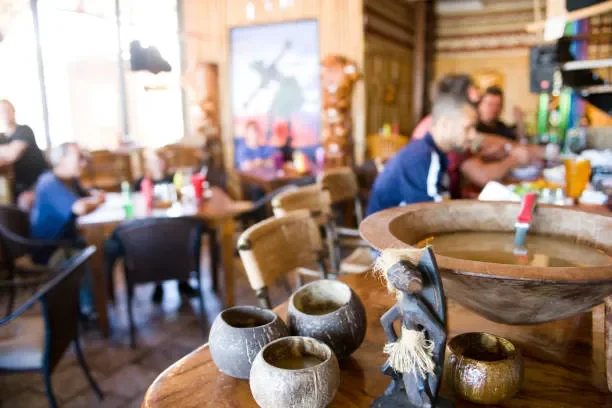
Dive into vibe- check out some pics and vids and see the Riverside Kava Bar experience for yourself!

Reviews
Discover what’s brewing- check out our events schedule today!